April 7, 2026
A well-installed fence contributes to security, curb appeal, and long-term property performance. The difference between a fence that lasts decades and one that quickly deteriorates often comes down to the process followed during installation. A qualified fence contractor approaches every project with a structured methodology, combining planning, compliance, and precise execution.
Understanding how a fence contractor handles each phase of the project provides clarity on why professional involvement matters. From site evaluation to post-installation review, every step plays a role in delivering consistent results.
Planning the Project Scope Thoroughly
A successful fence installation begins with a clearly defined scope. A fence contractor evaluates the purpose of the fence, the layout of the property, and the environmental conditions that may influence performance over time. This stage is not just about measurements. It is about aligning the installation with practical goals such as privacy, security, or visual enhancement.
Site assessment typically includes reviewing terrain variations, soil composition, drainage patterns, and property boundaries. These factors directly influence post placement, material stability, and long-term durability. Poor planning at this stage can lead to uneven lines or structural issues later.
A fence contractor also accounts for neighborhood standards and property alignment. This ensures the finished structure complements the surrounding environment while maintaining functional integrity. Proper planning reduces costly adjustments and supports a smoother installation process.
Reviewing Local Codes and Requirements Carefully
Fence installation is governed by local regulations that vary by municipality and neighborhood. A fence contractor incorporates these requirements into the planning phase to prevent compliance issues. This includes reviewing height restrictions, setback rules, and permit requirements.
Many areas require permits for fence installation, especially when height thresholds are exceeded or when the fence is installed near property lines. Failing to meet these requirements can result in fines or removal orders.
In addition to municipal codes, some properties fall under homeowners' association guidelines. A fence contractor accounts for these restrictions to maintain consistency with community standards. This level of oversight helps prevent delays and keeps the project aligned with legal requirements from the outset.
Establishing Accurate Layout and Measurements
Precision in layout is one of the defining characteristics of professional fence installation. A fence contractor uses detailed measurements and marking techniques to define the exact placement of posts and panels. This step determines the visual alignment and structural integrity of the entire fence.
Establishing straight lines, consistent spacing, and accurate corner angles requires more than basic measurement tools. It involves calculating distances across uneven terrain and adjusting for slopes or obstacles. Errors at this stage often result in misaligned sections or gaps that compromise both appearance and performance.
A fence contractor also verifies property boundaries before installation begins. Clear boundary definition helps avoid disputes and supports a clean, professional finish. Proper layout ensures that every section of the fence integrates seamlessly into the overall design.
Preparing the Ground and Setting Foundations
Ground preparation is a critical step that directly impacts the stability of the fence. A fence contractor evaluates soil conditions and prepares each post location accordingly. This may involve clearing debris, leveling the surface, and accounting for drainage patterns.
Post installation is where structural performance is established. Posts must be set at the correct depth and secured to withstand environmental stress such as wind, moisture, and soil movement. Improperly set posts are one of the most common causes of fence failure.
A fence contractor uses consistent spacing and depth measurements to maintain uniformity across the entire structure. This level of consistency supports long-term durability and prevents issues such as leaning or shifting over time. Proper ground preparation also contributes to a cleaner, more polished final appearance.
Installing Materials with Precision and Consistency
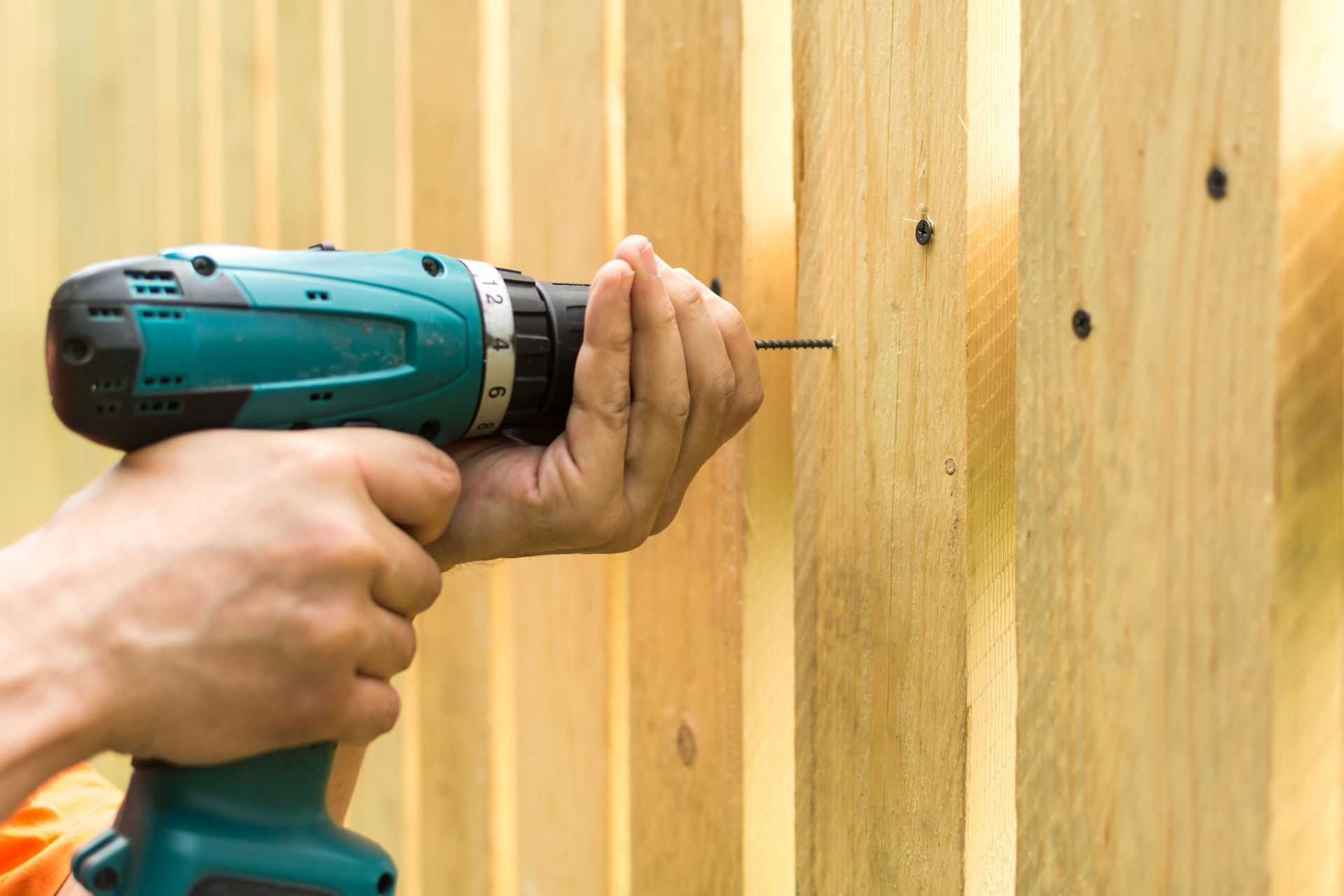
Once the foundation is in place, the installation of panels or rails begins. This stage requires careful alignment and fastening to maintain structural cohesion. A fence contractor follows a systematic approach to ensure each section connects properly and maintains consistent height and spacing.
Precision during installation is essential for both performance and aesthetics. Uneven panels or inconsistent spacing can reduce the overall effectiveness of the fence and detract from its appearance. A fence contractor maintains strict quality control throughout this phase to avoid these issues.
Material handling also plays a role in installation quality. Proper alignment, secure fastening, and consistent leveling contribute to a finished structure that performs reliably over time. Professional installation methods help minimize wear and reduce the likelihood of early repairs.
Managing Site Conditions and Environmental Factors
Every property presents unique environmental challenges that influence fence installation. A fence contractor evaluates these conditions and adapts the installation process accordingly. Factors such as soil type, weather exposure, and terrain variation all affect how the fence performs over time.
For example, areas with high moisture levels may require additional drainage considerations, while sloped properties demand adjustments in post placement and panel alignment. Ignoring these variables can lead to structural instability or uneven appearance.
Environmental considerations also extend to long-term performance. A fence contractor accounts for factors such as wind load and sun exposure when planning installation. This proactive approach helps maintain the integrity of the fence and reduces the risk of premature deterioration.
Conducting Quality Checks Throughout the Process
Quality control is not limited to the final stage of installation. A fence contractor performs ongoing checks at each phase to verify alignment, stability, and consistency. This includes inspecting post placement, confirming level alignment, and verifying secure connections.
Continuous evaluation allows for immediate adjustments if discrepancies are identified. Addressing issues early prevents them from affecting the overall structure. This approach also supports a more efficient installation process by reducing the need for rework.
A fence contractor also reviews the finished structure to confirm it meets both functional and visual expectations. This final inspection confirms that the fence performs as intended and maintains a consistent appearance across the entire property.
Enhancing Property Value Through Proper Installation
A professionally installed fence can influence property value and market appeal. Buyers often view fencing as a desirable feature, particularly when it enhances privacy, security, and curb appeal. According to Fixr, fences typically enhance property values, offering an average return on investment (ROI) of 50% to 70%, depending on the material used.
This potential return highlights the importance of proper installation. A poorly installed fence can reduce perceived value, while a well-executed project supports long-term appeal. A fence contractor plays a central role in achieving this outcome by delivering consistent quality and structural reliability.
Maintaining Long-Term Performance with Professional Oversight
Installation is only one part of a fence's lifecycle. Long-term performance depends on how well the structure was built and how effectively it withstands environmental conditions. A fence contractor approaches installation with durability in mind, reducing the need for frequent repairs.
Proper alignment, secure foundations, and consistent material placement all contribute to longevity. These elements work together to create a fence that maintains its appearance and function over time. Professional installation also minimizes common issues such as sagging, warping, or uneven sections.
Ongoing performance is closely tied to the initial installation process. A fence contractor's attention to detail during construction supports a structure that continues to perform reliably for years.
A structured installation process is what separates a lasting fence from one that quickly develops problems. From planning and compliance to precision installation and quality checks, every step contributes to the final outcome. A fence contractor brings the experience and methodology needed to manage these variables effectively, resulting in a fence that performs consistently and enhances the property.
For property owners looking to improve both fence functionality and long-term value, working with a professional fence contractor at USA Fence provides a practical path to achieving a durable, well-executed fence installation!